Car Insurance for Seniors in Washington State

Washington requires 25/50/10 minimum liability, but senior drivers over 65 typically pay $95–$185/mo for full coverage depending on age bracket and location. While Washington does not legally mandate mature driver discounts, most major carriers offer 5–15% rate reductions for completing an approved defensive driving course.

Compare Washington Auto Insurance

Non-Standard Auto · SR-22 · Senior · Teen Drivers

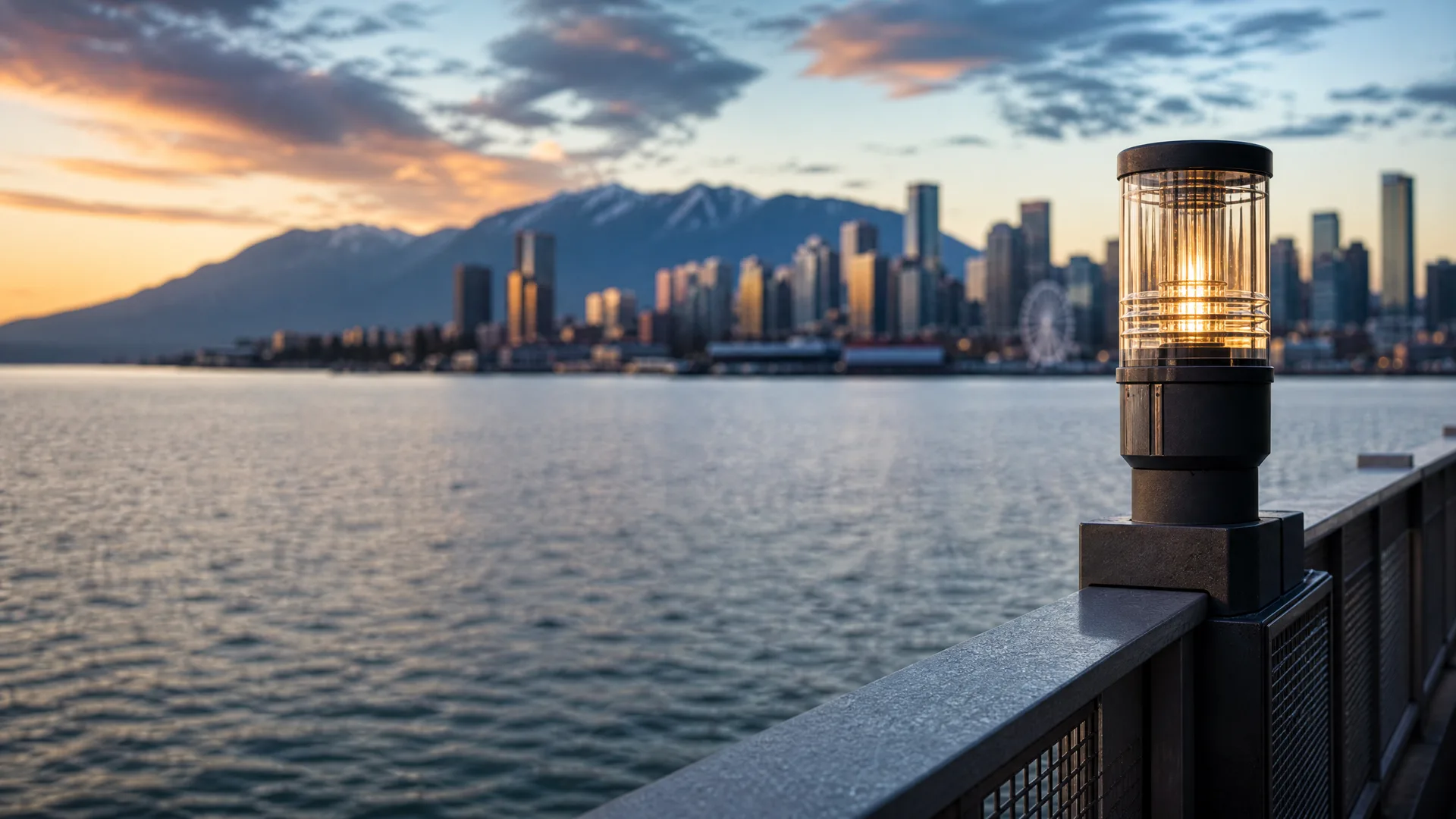
Washington cityscape and street view
Quotes from state-licensed insurance professionals
Licensed Agents Only
Free to request, no commitment required
No Obligation
No cost to you
Free to Use
Your contact information is protected
TCPA-Compliant
Updated April 2026

Minimum Coverage Requirements in Washington

Washington operates as an at-fault state and requires minimum liability coverage of $25,000 per person, $50,000 per accident for bodily injury, and $10,000 for property damage. The Washington State Department of Licensing oversees driver records and reinstatement requirements, while the Office of the Insurance Commissioner regulates carrier rates and complaint processes. Senior drivers should note that Washington does not legally mandate mature driver discounts, but the state does require insurers to offer usage-based and low-mileage programs that can benefit retirees who drive fewer than 7,500 miles annually. Unlike some neighboring states, Washington uses a comparative negligence system that reduces payouts based on fault percentage, making higher liability limits particularly valuable for drivers with significant assets to protect.

Washington cityscape and street view
25/50 minimum
Bodily Injury Liability
Covers medical expenses, lost wages, and legal fees when you cause injury to others in an accident. Washington's minimum 25/50 limits are among the lowest in the Pacific Northwest and fall short for serious collisions — a single ER visit in Seattle can exceed $25,000. Senior drivers with retirement accounts, home equity, or pension income should carry at least 100/300 limits, as Washington's comparative negligence rule means even partial fault can trigger a lawsuit that reaches beyond policy limits.
$10,000 minimum
Property Damage Liability
Pays for vehicle and property repairs when you're at fault. Washington's $10,000 minimum hasn't changed in decades and covers roughly one totaled economy sedan — insufficient in Seattle or Bellevue where the average vehicle value exceeds $28,000. Senior drivers should carry $50,000–$100,000 in property damage coverage, particularly if you drive in King or Pierce counties where congestion increases multi-car accident risk.
Optional but recommended
Uninsured/Underinsured Motorist Coverage
Protects you when hit by a driver with no insurance or inadequate coverage. Washington does not require this coverage, but the state's uninsured motorist rate runs approximately 13–14%, higher than the national average, with concentrations in rural counties like Ferry, Pend Oreille, and Stevens where enforcement is sparse. Senior drivers on fixed incomes cannot afford out-of-pocket medical bills from an uninsured driver; UM/UIM coverage matching your liability limits (100/300) costs roughly $8–$15/mo and is non-negotiable protection in Washington.
$10,000 minimum
Personal Injury Protection (PIP)
Covers your medical bills, lost income, and essential services regardless of fault. Washington requires all policies to include at least $10,000 in PIP unless you reject it in writing, making this one of the few mandatory first-party coverages in the state. Senior drivers should understand that PIP pays before Medicare kicks in and can cover ambulance transport, rehabilitation, and even household help during recovery — benefits particularly valuable for drivers over 75 who face longer recovery times from accident injuries.
Required by lenders; optional otherwise
Comprehensive and Collision
Comprehensive covers non-collision losses like theft, vandalism, weather, and animal strikes; collision covers damage from accidents regardless of fault. Western Washington drivers face elevated comprehensive claims from deer strikes on Highway 20 and I-90 corridors, windshield damage from gravel on rural roads, and catalytic converter theft in Tacoma and Spokane. Senior drivers who own their vehicles outright can drop collision once the car's value falls below $3,000–$4,000, but should retain comprehensive as long as windshield replacement ($400–$800 in Washington) or a deer strike ($2,500+ average claim) would strain their budget.
State-Mandated Minimum Coverage · Washington

Washington Minimum Coverage

CoverageMinimum
Bodily Injury (per person)$25,000,000
Bodily Injury (per accident)$50,000,000
Property Damage$10,000,000

License Reinstatement Fee$75

Meeting the state minimum keeps you legal. See whether it's enough — get your Washington quote.

Get your Washington quote

How Much Does Car Insurance Cost in Washington?

Washington senior driver rates vary significantly by age bracket, county, and annual mileage. Drivers who complete an approved defensive driving course through AARP, AAA, or the National Safety Council typically save 5–15% with most carriers, though Washington law does not mandate this discount. Urban drivers in King, Pierce, and Snohomish counties pay 20–35% more than those in Spokane, Whatcom, or rural counties due to congestion, collision frequency, and vehicle theft rates.

What Affects Your Rate

  • Mature driver course completion reduces rates by 5–15% with carriers like State Farm, Farmers, and Safeco; AARP and AAA offer Washington-approved 4–6 hour courses online for $15–$25.
  • Annual mileage under 7,500 miles triggers low-mileage discounts of 10–25%; retirees who no longer commute to Seattle, Tacoma, or Spokane workplaces should notify their carrier immediately to claim this reduction.
  • Credit-based insurance scores heavily influence Washington rates, with poor credit increasing premiums by 30–50% even for drivers with clean records; seniors should request a rate review after paying down debt or correcting credit report errors.
  • King County drivers pay 25–40% more than Spokane County drivers for identical coverage due to Seattle's congestion, hit-and-run frequency, and vehicle theft concentrations in the Capitol Hill, Rainier Valley, and SeaTac areas.
  • Bundling home and auto policies produces discounts of 15–25%; seniors who rent rather than own should ask about renters insurance bundling, which costs $12–$20/mo and still unlocks the multi-policy discount.
  • Telematics programs from carriers like Progressive Snapshot, State Farm Drive Safe & Save, and Allstate Drivewise reward seniors who avoid hard braking, high speeds, and late-night driving with discounts up to 20%, particularly valuable for risk-averse drivers over 70.
Drivers 65–69
$95–$145/mo
This age bracket typically sees the lowest rates for seniors, particularly for drivers with clean records and low annual mileage. Rates in this range assume full coverage with 100/300/50 liability limits, $500 comprehensive and collision deductibles, and application of mature driver and low-mileage discounts.
Drivers 70–74
$110–$165/mo
Rates begin to increase modestly as insurers apply age-based risk adjustments, though drivers with 40+ years of claim-free history often qualify for loyalty and safe driver discounts that offset the increase. Telematics programs that monitor braking, speed, and time-of-day driving can reduce premiums by an additional 10–20% for cautious drivers in this bracket.
Drivers 75+
$130–$185/mo
This bracket faces the steepest rate increases due to actuarial data linking age 75+ to higher claim frequency and severity, though individual driving records matter more than age alone. Washington seniors in this group should aggressively pursue every available discount — mature driver courses, usage-based insurance, bundling home and auto, and annual policy reviews to drop unnecessary coverages like collision on vehicles worth under $3,000.

Compare rates from carriers that specialize in senior drivers

Mature driver discounts, low-mileage rates, and coverage reviews — see what you're actually eligible for.

Get Your Free Quote
Mature Driver Discounts No Obligation Licensed Carriers All 50 States

Coverage Types

Liability Insurance

Washington's 25/50/10 minimums are inadequate for senior drivers with assets to protect. A single serious accident in Seattle or Spokane can generate medical bills and property damage exceeding $100,000, and the state's comparative negligence rule means even 20% fault can trigger a lawsuit reaching your retirement accounts and home equity.

Uninsured/Underinsured Motorist

Covers your medical bills and vehicle damage when hit by a driver with no insurance or insufficient coverage. Washington's 13–14% uninsured motorist rate runs above the national average, with higher concentrations in rural counties where enforcement is limited and minimum-coverage policies dominate.

Personal Injury Protection

Washington requires $10,000 minimum PIP unless you reject it in writing, making this one of the few mandatory first-party coverages in the state. PIP covers medical bills, lost income, and essential services regardless of fault, and pays before Medicare processes claims.

Comprehensive Coverage

Covers theft, vandalism, weather damage, and animal strikes. Western Washington seniors face elevated deer strike risk on Highway 20, I-90, and rural corridors in Whatcom and Skagit counties, while urban drivers in Tacoma and Spokane see high catalytic converter theft claims.

Collision Coverage

Pays for vehicle damage from accidents regardless of fault. Senior drivers who own their vehicles outright can drop collision once the car's value falls below $3,000–$4,000, as premiums plus deductible often exceed potential payout.

Roadside Assistance and Rental Reimbursement

Roadside covers towing, jump-starts, and lockout service; rental reimbursement pays $30–$50/day for a replacement vehicle during repairs. These coverages cost $8–$18/mo combined and provide peace of mind for seniors who rely on their vehicle for medical appointments and errands.

Get Your Free Quote in Washington