What Affects Rates in Suffolk
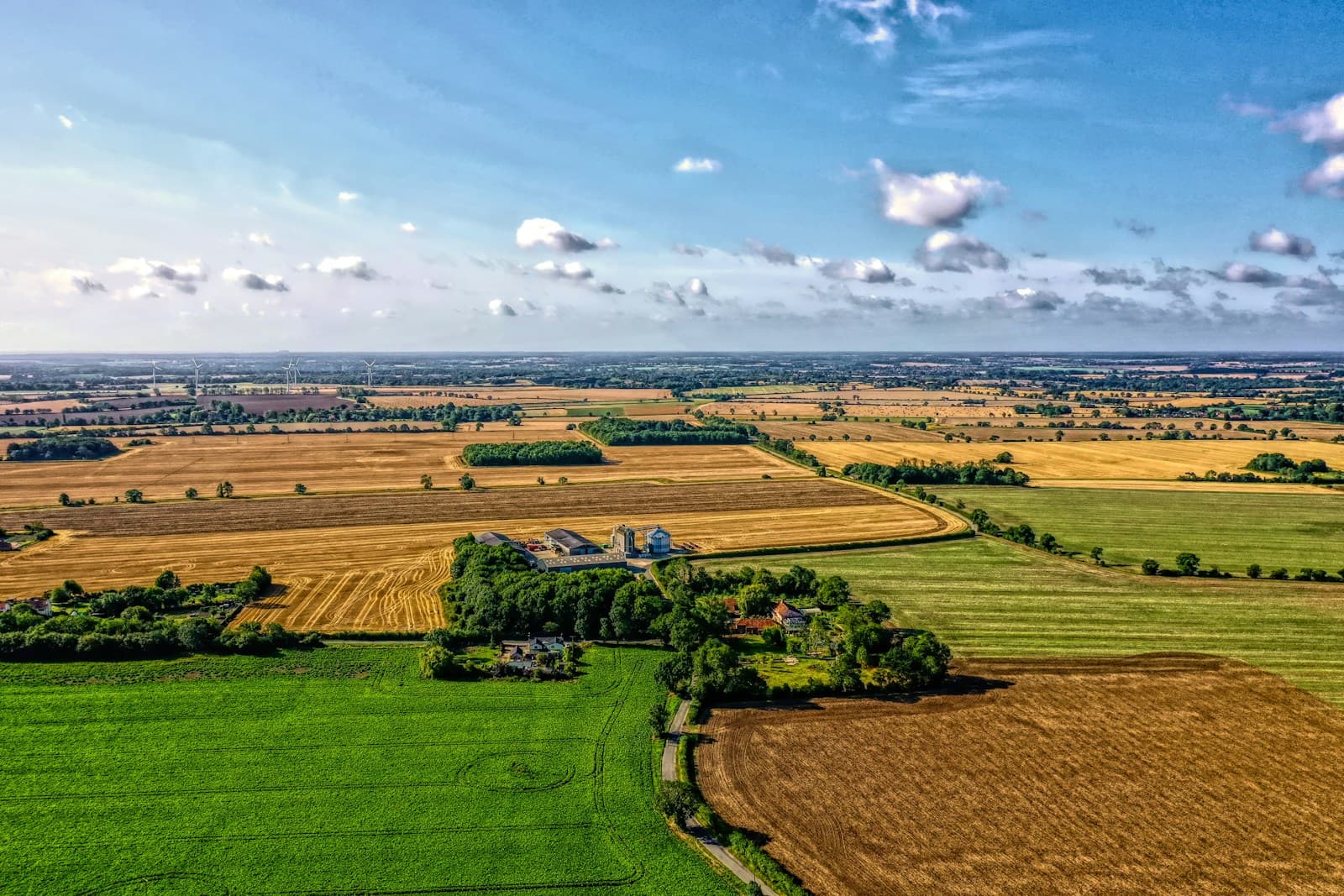
- Western Suffolk's rural roads through agricultural areas carry substantial deer collision risk, particularly along Routes 258, 460, and rural stretches of Route 58 where farmland meets forest. Senior drivers who live in Holland, Whaleyville, or Driver frequently encounter deer at dawn and dusk, making comprehensive coverage more valuable despite lower overall traffic density. Collision claims from deer strikes can exceed $4,000, and carriers track these incidents by ZIP code when calculating rates.
- Senior drivers in Harbour View, Bennett's Pasture, and neighborhoods near downtown Suffolk face suburban traffic patterns with higher population density and more stop-and-go driving on Route 17 and Godwin Boulevard. Those in rural southern and western areas drive longer distances with fewer intersections but face gravel roads, farm equipment, and limited street lighting. The rate difference between northern suburban ZIP codes and southern rural areas can reach $30–$45/mo for identical coverage, with rural addresses often qualifying for lower liability rates but higher comprehensive premiums due to wildlife and road conditions.
- Sentara Obici Hospital on Godwin Boulevard serves northern Suffolk, but senior drivers in southern areas like Chuckatuck or Driver live 15–25 miles from emergency medical care. This distance matters for coverage decisions — personal injury protection becomes more critical when ambulance transport times exceed 20 minutes, and medical payments coverage should account for longer emergency response. Carriers don't adjust rates based on hospital proximity, but senior drivers in remote areas should evaluate higher medical coverage limits given transport distances.
- Many Suffolk seniors drive under 7,000 miles annually, using vehicles primarily for medical appointments at Sentara Obici, shopping trips to North Suffolk's retail corridor, and occasional drives to Chesapeake or Virginia Beach. Telematics programs from State Farm, Progressive, and Allstate can reduce premiums by 15–25% for low-mileage drivers, with the largest savings going to those who drive under 5,000 miles yearly. Pay-per-mile programs work particularly well for seniors who have moved from commuting to occasional driving but still need a vehicle for medical appointments and errands.
- Suffolk Transit operates fixed routes primarily in northern Suffolk, but service is limited — most routes run weekdays only with no evening or weekend coverage, and rural areas have no public transit access. Senior drivers in Suffolk cannot realistically replace car ownership with transit, making liability-only coverage a risky choice even for older vehicles. The nearest Hampton Roads Transit connections require driving to Chesapeake or Portsmouth, and medical facilities, grocery stores, and pharmacies are spread across a city where driving remains essential for independence.

Compare rates from carriers that specialize in senior drivers
Mature driver discounts, low-mileage rates, and coverage reviews — see what you're actually eligible for.
Get Your Free QuoteCoverage Recommendations
Cost estimates are based on available industry data and vary by driver profile. These are not insurance quotes.
Liability Insurance
Suffolk's rural roads with deer crossings and farm equipment increase multi-vehicle accident complexity, making 100/300/100 limits advisable for senior drivers with assets to protect.
$45–$75/moEstimated range only. Not a quote.
Comprehensive Coverage
Essential for senior drivers in western Suffolk where deer collisions are frequent along Routes 258, 460, and rural stretches — a single deer strike claim often exceeds your annual premium.
$25–$45/moEstimated range only. Not a quote.
Uninsured Motorist Coverage
Suffolk's rural areas and agricultural corridors see higher rates of uninsured drivers, and the nearest Level 1 trauma center is in Norfolk — medical bills from a serious collision can quickly exceed minimum liability limits.
$15–$30/moEstimated range only. Not a quote.
Full Coverage
Recommended for senior drivers financing vehicles or those who cannot afford out-of-pocket replacement costs, particularly given Suffolk's combination of wildlife risk and long emergency response times in rural areas.
$95–$165/moEstimated range only. Not a quote.