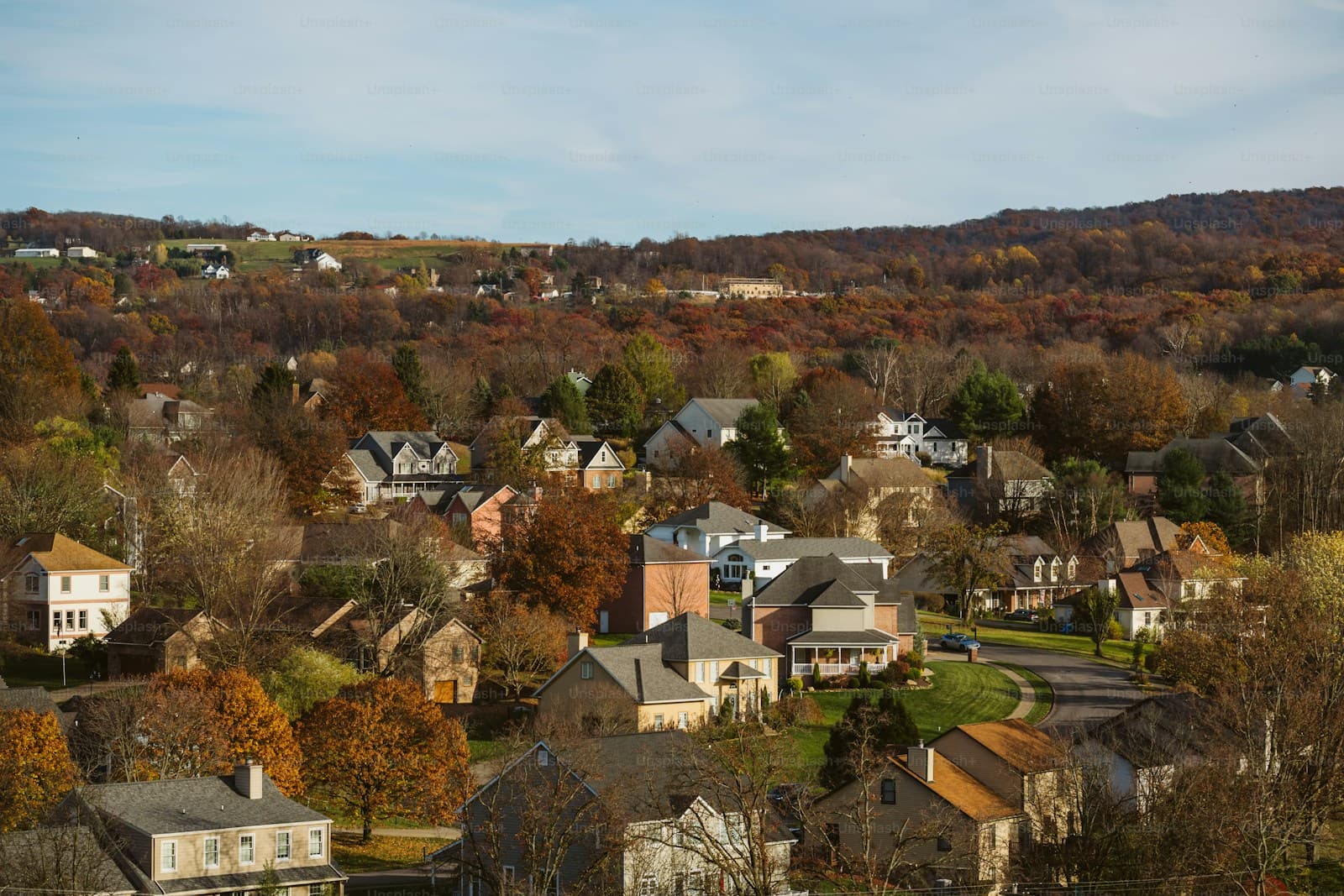
What Affects Rates in Scranton
- Senior drivers living in West Side or South Scranton neighborhoods typically see 10-15% lower comprehensive premiums than those parking near downtown Lackawanna Avenue, where vehicle theft and vandalism claims run higher. If you park in a private garage in neighborhoods like North Scranton or Minooka and drive under 6,000 miles annually, ask carriers about stacking neighborhood-based and low-mileage discounts—combined savings can reach 22-28%. Drivers in the Dunmore border area often qualify for the same Scranton rates but should verify their ZIP affects pricing, as some carriers treat 18512 differently than core city codes.
- If you avoid Interstate 81 and the Central Scranton Expressway entirely—common among seniors who stick to residential errands within Green Ridge, Hyde Park, or East Mountain—mention this driving pattern when requesting quotes, as several carriers offer route-restriction discounts that can lower liability premiums by 8-12%. Senior drivers who do use I-81 for medical appointments at Geisinger or shopping trips to the Viewmont Mall area face higher uninsured motorist risk due to through-traffic from New York and northern Pennsylvania, making UM coverage particularly relevant at 100/300 limits rather than state minimums. The merge complexity at the Davis Street and Main Avenue interchanges generates enough senior-involved incidents that some carriers apply a surcharge if your regular route includes these points.
- Scranton's steep residential streets in South Side, Providence, and parts of West Scranton create elevated comprehensive claims during ice season, and carriers track your garaged location's grade when calculating collision and comprehensive premiums. Senior drivers who reduce winter driving or store vehicles November through March can request seasonal policy adjustments that cut premiums by 15-20% during high-risk months, though not all carriers active in Lackawanna County offer this option. If you live on or near Clay Avenue, Prospect Avenue, or other significant slopes, comprehensive coverage remains essential even for older vehicles, as slide-offs and impact claims occur frequently enough to justify the $400-$600 annual cost difference between liability-only and full coverage.
- Living within two miles of Moses Taylor, Geisinger CMC, or Regional Hospital correlates with 6-9% lower injury severity in Scranton senior driver claims, which some carriers factor into PIP and medical payments pricing. If your primary care provider and regular pharmacy are within a one-mile radius of your home in neighborhoods like Green Ridge or East Scranton—reducing highway exposure for routine medical trips—document this pattern for carriers offering telematics or low-mileage verification, as it strengthens your case for minimum-tier liability rather than higher limits. The concentration of medical offices along Jefferson Avenue and Mulberry Street means many Scranton seniors can maintain independent mobility with sub-3,000 annual miles, a usage level that qualifies for the steepest mileage discounts at most carriers.
- COLTS bus service on major routes like the North Scranton and South Scranton lines offers a viable car-free option for errands and medical appointments, and seniors who reduce driving to 1-2 days weekly often qualify for pleasure-use classification that cuts premiums 18-25% below standard rates. If you're considering dropping to liability-only coverage on an aging vehicle because you now use COLTS for most trips, confirm your annual mileage will stay below 4,000—the threshold where carriers typically require odometer verification—and ensure you maintain continuous coverage to avoid rate penalties if you later return to regular driving. Scranton's walkable downtown and neighborhood business districts mean some seniors can eliminate car ownership entirely, but if you maintain a vehicle for occasional family visits or weather-dependent errands, usage-based insurance programs can price your actual 200-400 miles per month rather than assuming higher mileage.

Compare rates from carriers that specialize in senior drivers
Mature driver discounts, low-mileage rates, and coverage reviews — see what you're actually eligible for.
Get Your Free QuoteCoverage Recommendations
Cost estimates are based on available industry data and vary by driver profile. These are not insurance quotes.
Liability Insurance
Scranton's Route 81 interchange accidents and winter slide-offs on South Side hills create elevated third-party injury risk that justifies liability limits above Pennsylvania's 15/30/5 floor.
$45-$75/mo for 100/300/100Estimated range only. Not a quote.
Comprehensive Coverage
Downtown Scranton parking and ice damage on steep residential grades make comprehensive essential even for older vehicles, with annual claims frequent enough to justify the $30-$50/month cost.
$30-$50/moEstimated range only. Not a quote.
Uninsured Motorist Coverage
Interstate 81 through-traffic from New York and underinsured rural Pennsylvania drivers elevate UM claim rates for Scranton seniors who use highway routes to Geisinger or Viewmont Mall.
$18-$32/mo for 100/300Estimated range only. Not a quote.
Full Coverage
Scranton seniors who own their vehicles outright and drive under 5,000 miles annually should compare full coverage at $95-$145/month against liability-only at $50-$70/month, factoring in the city's winter damage risk and whether they can afford to replace the vehicle out-of-pocket.
$95-$145/moEstimated range only. Not a quote.