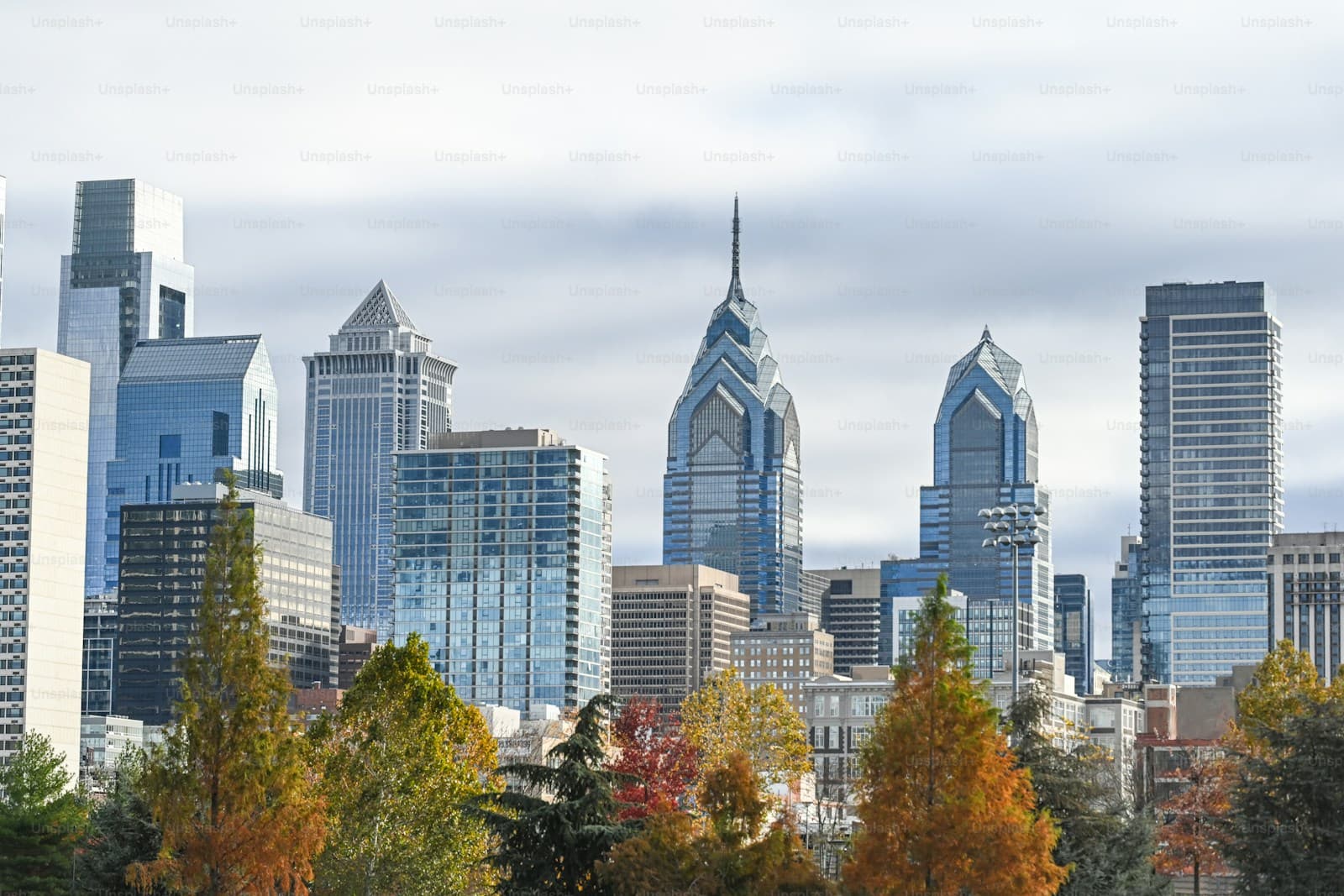
What Affects Rates in Philadelphia
- Senior drivers navigating Market Street, Broad Street, and the Vine Street Expressway face congestion that increases collision frequency and liability claims. Many drivers 70+ reduce urban driving by limiting trips to off-peak hours or avoiding Center City entirely, which can qualify them for usage-based discounts with carriers like Progressive Snapshot or State Farm Drive Safe & Save. Rush-hour congestion between 7–9 AM and 4–7 PM along I-76 (Schuylkill Expressway) and Roosevelt Boulevard creates elevated risk zones where defensive driving course completion becomes particularly valuable for rate protection.
- Comprehensive coverage costs vary dramatically across Philadelphia ZIP codes: drivers in 19119 (Mt. Airy/Chestnut Hill) pay 25–35% less than those in 19134 (Kensington) or 19104 (University City) due to theft and vandalism claim frequency. Senior drivers in Northwest Philadelphia neighborhoods often see lower base rates, while those near Temple University Hospital or in South Philadelphia face higher premiums. Garaging your vehicle on a private driveway in Roxborough versus street parking in Fishtown can shift your annual premium by $300–$500.
- Philadelphia's concentration of major hospitals—Penn Presbyterian, Jefferson, Temple, Hahnemann—means most senior drivers live within 15 minutes of emergency care, but it also places many in high-traffic medical corridors. Drivers making frequent trips along Spruce Street to Penn facilities or Broad Street to Temple navigate pedestrian-heavy zones where collision risk increases. Carriers typically view proximity to medical care as a positive aging-in-place factor but price the accident exposure of hospital districts into base rates for those ZIP codes.
- Senior drivers with reliable SEPTA access—particularly along the Broad Street and Market-Frankford Lines, or Regional Rail to Chestnut Hill East/West—can realistically reduce annual mileage below 5,000 miles and qualify for low-mileage discounts averaging 10–20%. The SEPTA Key Senior Card (reduced fare for 65+) makes public transit a viable alternative for non-medical trips, allowing drivers to maintain liability-only coverage on vehicles used primarily for weekend errands or weather-dependent appointments. This strategy works best in neighborhoods with walkable commercial districts like Manayunk, East Falls, or Queen Village.
- Philadelphia winters bring ice, snow, and street flooding that lead many senior drivers to reduce driving January through March, particularly after significant snowfall when residential streets remain unplowed for days. Comprehensive coverage remains essential for winter months due to increased vehicle damage from freeze-thaw street deterioration and parking-related collisions during snow emergencies. Some carriers offer seasonal policy adjustments, but most Philadelphia seniors maintain year-round coverage and offset costs through mature driver course completion (AARP Smart Driver, AAA) for 5–15% discounts.
Compare rates from carriers that specialize in senior drivers
Mature driver discounts, low-mileage rates, and coverage reviews — see what you're actually eligible for.
Get Your Free QuoteCoverage Recommendations
Cost estimates are based on available industry data and vary by driver profile. These are not insurance quotes.
Liability Insurance
Philadelphia's pedestrian-heavy corridors near Rittenhouse Square, University City, and Old City increase liability exposure for senior drivers navigating crosswalks and bike lanes.
$65–$110/mo for 100/300/100 limitsEstimated range only. Not a quote.
Comprehensive Coverage
Essential for senior drivers in Philadelphia given theft rates in ZIP codes 19104, 19134, and 19146, plus street flooding risk in Eastwick and Southwest Philadelphia during heavy rain.
$45–$85/mo depending on neighborhoodEstimated range only. Not a quote.
Collision Coverage
Philadelphia's narrow streets, parallel parking density, and Roosevelt Boulevard's accident frequency make collision coverage valuable for senior drivers even with reduced mileage.
$50–$95/mo with $500–$1,000 deductibleEstimated range only. Not a quote.
Uninsured Motorist Coverage
Philadelphia's estimated 13–15% uninsured driver rate makes this coverage critical for senior drivers, particularly in neighborhoods with higher street parking and overnight vehicle exposure.
$20–$40/mo for matching liability limitsEstimated range only. Not a quote.
Medical Payments Coverage
Supplements health insurance for senior drivers making frequent trips to Penn, Jefferson, or Temple medical facilities along high-traffic corridors where rear-end collisions are common.
$8–$18/mo for $5,000–$10,000 coverageEstimated range only. Not a quote.