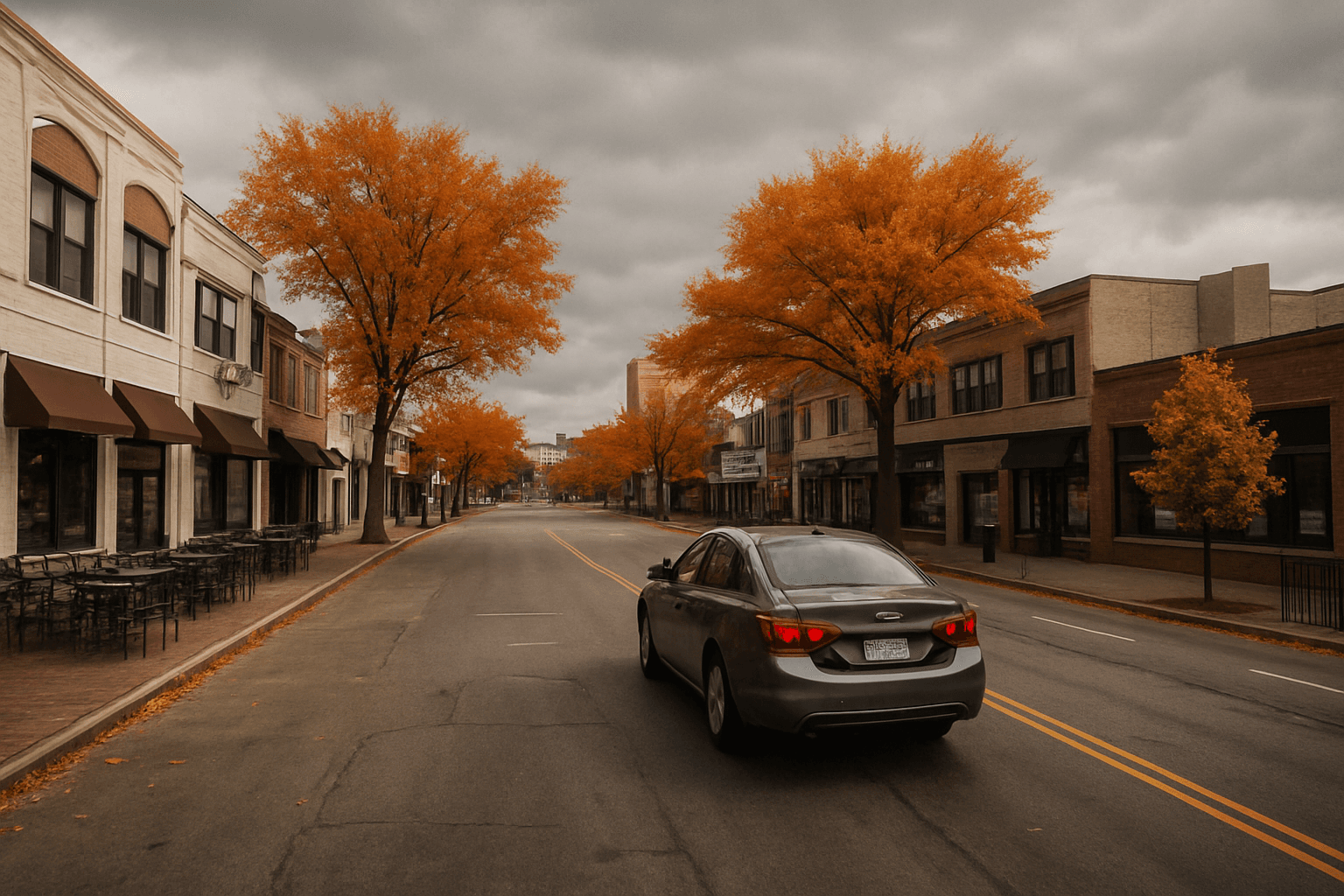
What Affects Rates in White Plains
- Senior drivers who regularly use the Bronx River Parkway or Hutchinson River Parkway for trips to medical specialists or family visits face different risk profiles than those who limit driving to White Plains surface streets like Mamaroneck Avenue or Central Avenue. Parkway driving typically means higher speeds and merge zones, which can affect comprehensive and collision premium calculations. Insurers in this market often ask about annual highway mileage separately, and seniors who drive primarily local routes — under 5,000 miles annually — may qualify for significant low-mileage discounts that reduce monthly costs by $20–$35.
- Living within a 3-mile radius of White Plains Hospital (Davis Avenue) reduces emergency response times, a factor some carriers incorporate into senior driver rating models. This proximity matters for medical emergency scenarios and can slightly lower comprehensive coverage costs compared to more remote Westchester locations. Seniors who use the hospital for regular specialist visits often maintain higher liability limits ($250,000/$500,000) to protect assets, particularly given the concentration of higher-value homes in neighborhoods like Gedney Farms and Rosedale.
- White Plains downtown parking garages and the congestion near the Westchester mall complex create elevated comprehensive claim risks from door dings, minor collisions, and garage scrapes. Seniors who frequently park in the Main Street or Mamaroneck Avenue garage structures see comprehensive premiums $8–$15/month higher than those who primarily use residential driveways. For seniors on fixed income who drive infrequently, raising the comprehensive deductible from $500 to $1,000 can reduce this cost while maintaining essential collision and liability protection.
- White Plains's hilly terrain — particularly in neighborhoods like Battle Hill and North White Plains — creates winter driving challenges that affect collision rates for senior drivers during December through February. Carriers track zip code claim frequency, and areas with steep residential streets see 10–14% higher collision premiums. Seniors who reduce winter driving or garage their vehicles during heavy snow events may qualify for usage-based insurance programs that lower rates during low-activity months.
- The White Plains Metro-North station provides a direct alternative to driving into Manhattan, and many seniors who previously commuted have shifted to occasional recreational driving only. This transition from 12,000+ annual miles to under 6,000 miles significantly changes insurance needs — liability-only or reduced coverage may make financial sense for a garaged vehicle used just 2–3 times weekly. Telematics programs from carriers like Progressive and Allstate can document this reduced usage and deliver discounts of 15–25% for verified low-mileage seniors.
Compare rates from carriers that specialize in senior drivers
Mature driver discounts, low-mileage rates, and coverage reviews — see what you're actually eligible for.
Get Your Free QuoteCoverage Recommendations
Cost estimates are based on available industry data and vary by driver profile. These are not insurance quotes.
Liability Insurance
White Plains seniors in Gedney Farms and Rosedale neighborhoods with home values exceeding $600,000 typically carry $250,000/$500,000 liability limits to shield equity from lawsuit exposure.
$75–$115/month for 100/300/50Estimated range only. Not a quote.
Comprehensive Coverage
Downtown White Plains garage parking and the hail exposure during spring storms make comprehensive coverage valuable, though seniors who drive under 5,000 miles annually can often raise deductibles to $1,000 and cut premiums by $12–$18/month.
$35–$55/month with $500 deductibleEstimated range only. Not a quote.
Uninsured Motorist Coverage
Westchester County has a 6–8% uninsured driver rate, and seniors traveling on the Bronx River Parkway or into Connecticut face cross-border collision risks that make UM coverage particularly important for medical cost protection.
$20–$35/monthEstimated range only. Not a quote.
Collision Coverage
White Plains's winter road conditions on Battle Hill and North White Plains slopes create elevated collision risk during December–February, making this coverage valuable even for seniors who drive infrequently during those months.
$45–$75/month with $500 deductibleEstimated range only. Not a quote.
Medical Payments Coverage
With White Plains Hospital less than 10 minutes from most city neighborhoods, MedPay provides immediate expense coverage for emergency room visits and ambulance transport before Medicare processes claims.
$8–$15/month for $5,000 coverageEstimated range only. Not a quote.