What Affects Rates in Schenectady
- State Street through downtown Schenectady presents the city's most complex driving conditions for senior drivers, with frequent pedestrian crossings, angled parking, and delivery vehicles between Erie Boulevard and Broadway. Many senior drivers who live in the Stockade or GE Realty Plot neighborhoods avoid this corridor entirely, opting for parallel routes like Union Street or Pleasant Street. If you drive fewer than 7,500 miles annually because you avoid downtown congestion, ask carriers about their low-mileage thresholds—some cut rates significantly at this point.
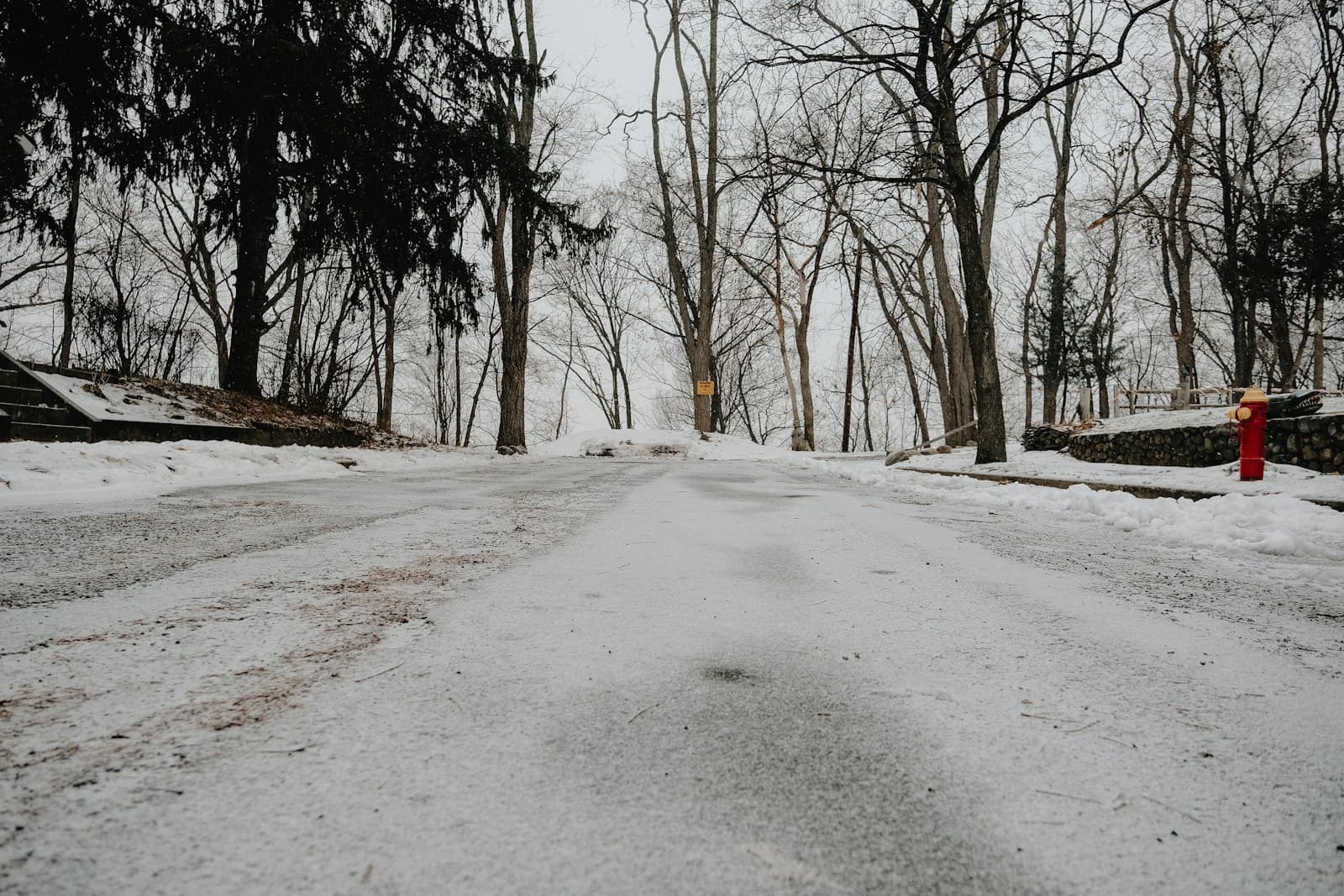
- Schenectady typically sees 60–65 inches of snow annually, with the heaviest accumulation January through March, and the city's older neighborhoods often experience delayed plowing on side streets. Senior drivers who garage their vehicles during winter months (December–March) should ask about seasonal suspension or reduced coverage to avoid paying for comprehensive protection during periods of non-use. Collision claims spike on Route 5 (State Street) and Route 7 (Curry Road) during the first snowfall each season, making comprehensive coverage particularly valuable if you drive year-round on these arterials.
- Ellis Hospital on Nott Street sits within a 10-minute drive of most Schenectady neighborhoods, including the Stockade, Hamilton Hill, and Woodlawn, reducing the emergency response concern that affects coverage decisions in more remote areas. Senior drivers recovering from medical events who need to reduce their driving radius can often maintain liability-only coverage if their vehicle is paid off and they're limiting trips to medical appointments and nearby shopping on Altamont Avenue or Route 7. The hospital's central location means you're never far from emergency services, which some carriers factor into their urban rate calculations.
- CDTA operates multiple bus routes through Schenectady, including Route 50 along State Street and Route 55 through Mont Pleasant, though service frequency decreases significantly after 7 PM and on weekends. Senior drivers who transition to part-time driving and use CDTA for routine errands can often qualify for usage-based insurance programs that track actual miles driven, with some carriers offering 20–30% discounts for drivers logging under 5,000 annual miles. The Free Fare Program for seniors 65+ on CDTA makes this transition financially practical if you're considering reducing your driving to medical appointments and weekly shopping only.
- The Stockade neighborhood's narrow colonial-era streets and limited street parking create higher risk for minor parking-related claims, with comprehensive coverage protecting against door dings and mirror strikes common on Front Street and Union Street. Senior drivers in this neighborhood should verify their collision deductible—many carriers default to $1,000, but raising it to $2,500 can reduce premiums by $15–25 monthly if you park in a private driveway or garage. The neighborhood's location between the Mohawk River and State Street means you're insulated from through-traffic, which keeps your liability risk lower than drivers on arterial routes.
Compare rates from carriers that specialize in senior drivers
Mature driver discounts, low-mileage rates, and coverage reviews — see what you're actually eligible for.
Get Your Free QuoteCoverage Recommendations
Cost estimates are based on available industry data and vary by driver profile. These are not insurance quotes.
Liability Insurance
State Street's pedestrian traffic and downtown parking density create higher liability exposure than Schenectady's residential neighborhoods, making higher limits (100/300/100) worth considering if you regularly drive through the commercial corridor.
$40–$75/monthEstimated range only. Not a quote.
Comprehensive Coverage
Schenectady's 60+ inches of annual snowfall and urban parking conditions make comprehensive coverage valuable for senior drivers who can't garage their vehicles during winter months, particularly in street-parking neighborhoods like Hamilton Hill and Mont Pleasant.
$25–$50/monthEstimated range only. Not a quote.
Collision Coverage
The Stockade's narrow streets and angled parking on State Street create frequent low-speed parking claims, but if your vehicle is worth under $5,000 and you have $15,000+ in savings, dropping collision can save $40–70 monthly.
$35–$65/monthEstimated range only. Not a quote.
Uninsured Motorist Coverage
Schenectady County has higher-than-average uninsured driver rates compared to suburban counties, making UM coverage particularly important for senior drivers on fixed incomes who can't absorb out-of-pocket medical costs from an at-fault uninsured driver.
$15–$30/monthEstimated range only. Not a quote.
Personal Injury Protection
Ellis Hospital's proximity to most Schenectady neighborhoods means shorter ambulance transport times, but PIP still covers your initial emergency treatment, follow-up care, and any rehabilitation regardless of the accident location.
Included in base rateEstimated range only. Not a quote.