What Affects Rates in Missoula
- The Brooks Street and Reserve Street intersection areas see Missoula's heaviest traffic and highest accident frequency, particularly during winter months when black ice forms on bridge overpasses. Senior drivers who avoid these corridors and primarily use residential routes through the Rattlesnake, South Hills, or Mullan neighborhoods may qualify for lower mileage discounts and see reduced collision coverage costs. Insurers distinguish between daily Reserve Street commuters and occasional drivers who use Broadway or Higgins Street for errands.
- Senior drivers living in Lolo, Florence, or Frenchtown — within Missoula's insurance rating zone but outside city limits — face different comprehensive coverage needs due to wildlife collision risk on Highway 93 and Mullan Road. Deer strikes are common enough that dropping comprehensive to save $20–30/month rarely makes financial sense for these drivers. Urban Missoula residents in the University District or near downtown face minimal wildlife risk but higher theft rates in parking areas.
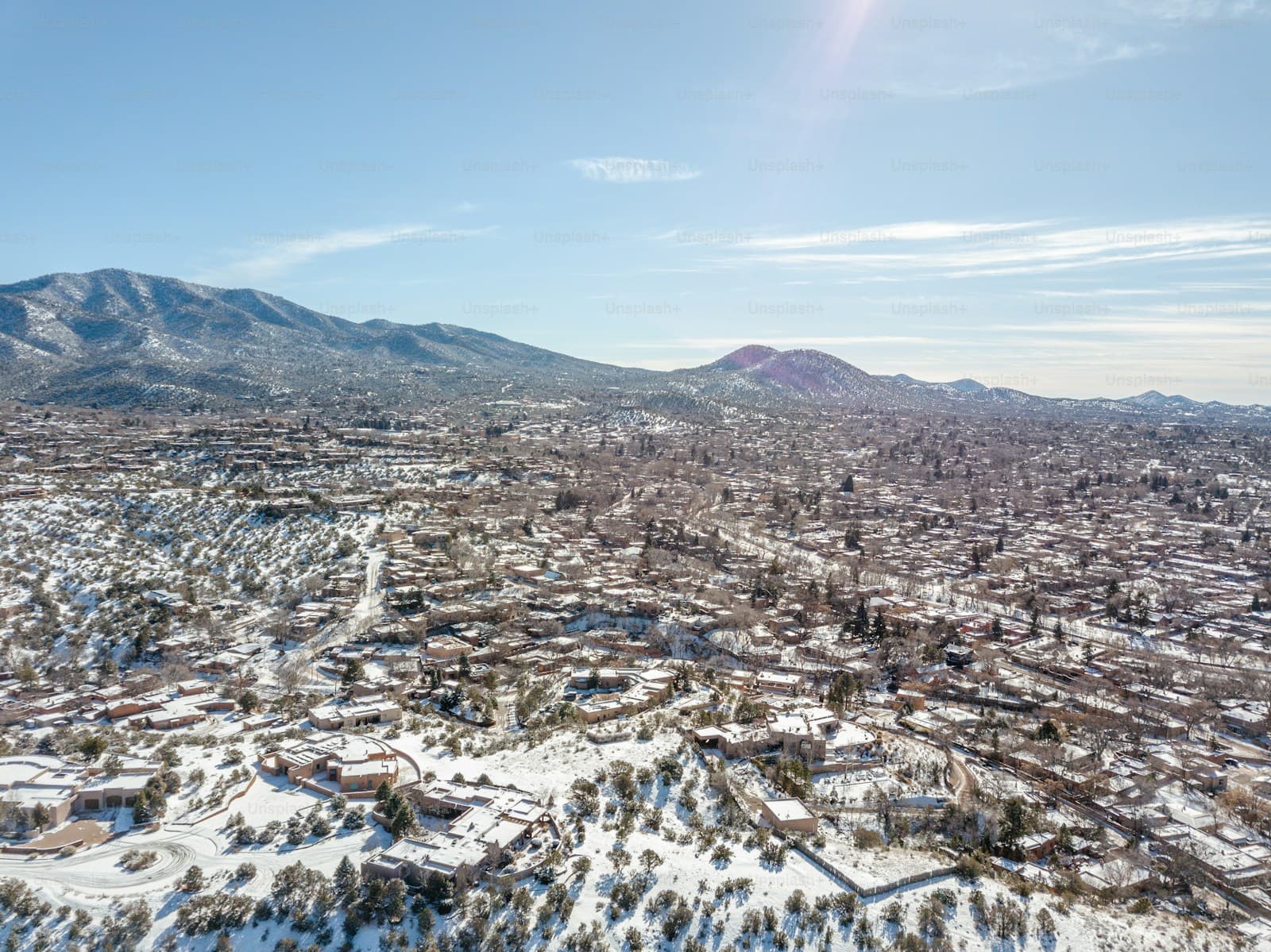
- Missoula receives an average 39 inches of snow annually, and many senior drivers reduce winter mileage significantly between November and March, particularly avoiding icy morning commutes on I-90 or Highway 12. Low-mileage programs from carriers like Nationwide and Metromile can reduce premiums by 15–25% for drivers logging under 7,500 annual miles. Usage-based programs work well for seniors who shift to walking or using Mountain Line transit during winter months but drive regularly in summer.
- Community Medical Center on Broadway and St. Patrick Hospital near the Rattlesnake serve as emergency response hubs, with average ambulance response times under 8 minutes in central Missoula but 15+ minutes in outlying areas like Blue Mountain or Target Range. Uninsured motorist coverage matters more here than in urban Montana markets — Missoula County's uninsured driver rate runs approximately 12%, and medical claims from serious accidents frequently exceed Montana's minimum $25,000 bodily injury limits. Senior drivers with Medicare should still carry robust UM coverage since Medicare doesn't cover all accident-related costs.
- The area surrounding the University of Montana campus has higher collision rates due to student driver density and street parking congestion along Arthur Avenue and University Avenue. Senior drivers living in or frequently driving through this zone typically see 8–12% higher comprehensive and collision premiums than those in South Hills or Miller Creek. If you've relocated from this area to a quieter neighborhood, updating your garaging address with your insurer can trigger an immediate rate reduction.

Compare rates from carriers that specialize in senior drivers
Mature driver discounts, low-mileage rates, and coverage reviews — see what you're actually eligible for.
Get Your Free QuoteCoverage Recommendations
Cost estimates are based on available industry data and vary by driver profile. These are not insurance quotes.
Liability Insurance
Accidents on the Brooks-Reserve corridor or I-90 interchange often involve multiple vehicles, making higher liability limits valuable for protecting retirement assets.
$45–$75/month for 100/300/100Estimated range only. Not a quote.
Comprehensive Coverage
Wildlife collisions on Highway 93, Mullan Road, and Reserve Street north of Mullan make comprehensive essential even for drivers who've reduced collision coverage on older vehicles.
$25–$50/month with $500 deductibleEstimated range only. Not a quote.
Uninsured Motorist Coverage
Missoula County's uninsured driver rate approaches 12%, and serious accidents requiring trauma care at Community Medical Center frequently generate claims exceeding Montana's minimum coverage limits.
$15–$30/month for 100/300 limitsEstimated range only. Not a quote.
Full Coverage Package
Makes sense for Missoula drivers navigating winter conditions on I-90 and Highway 12, where collision risk increases significantly between November and March.
$95–$165/month depending on age bracketEstimated range only. Not a quote.
Medical Payments Coverage
Useful for senior drivers who frequently transport grandchildren or other passengers, as it covers all occupants in your vehicle regardless of their own insurance status.
$8–$15/month for $5,000 coverageEstimated range only. Not a quote.