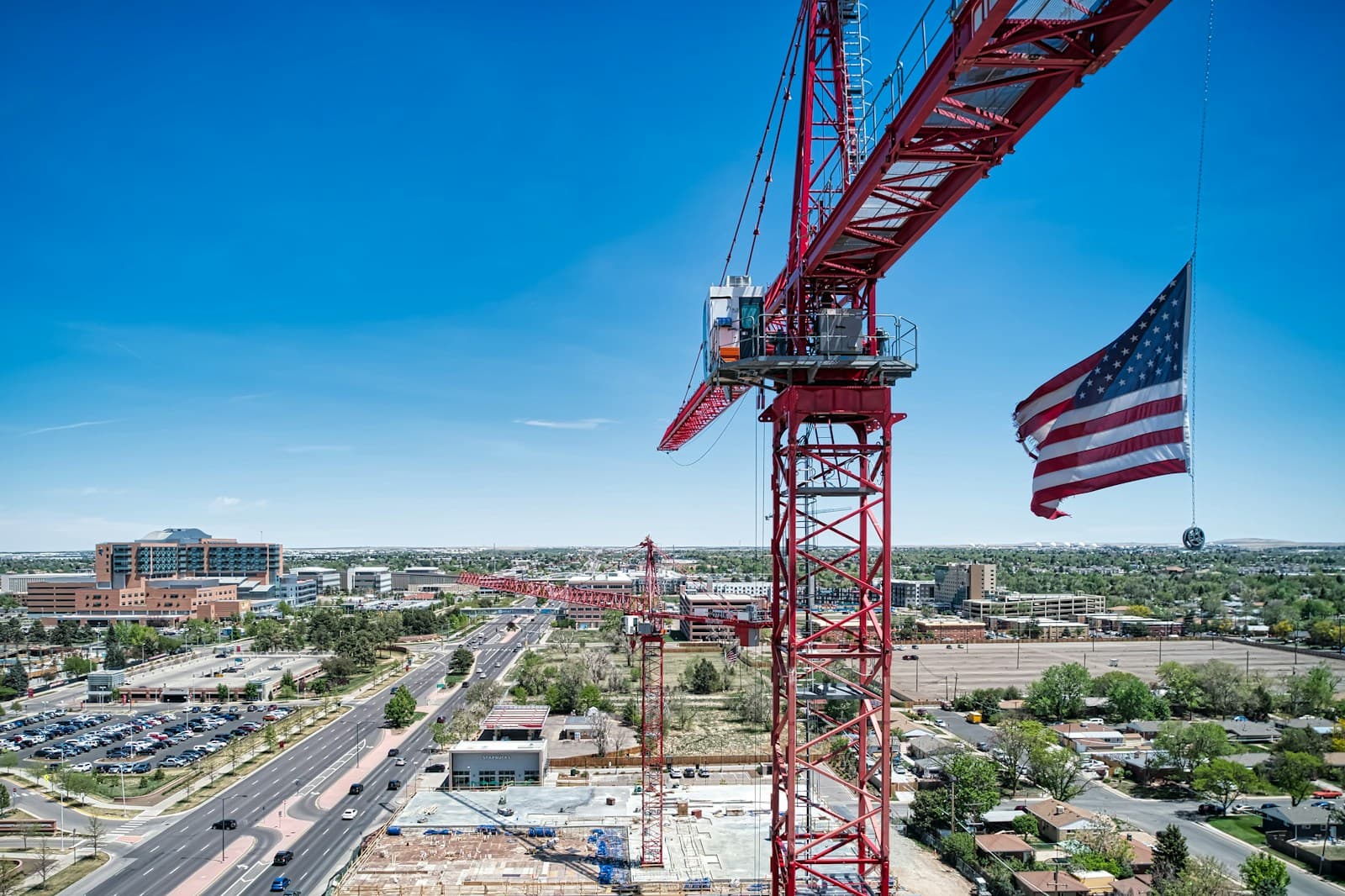
What Affects Rates in Aurora
- Senior drivers in Aurora use E-470 and I-225 regularly for medical appointments, shopping at Southlands, and accessing services spread across the city's 164 square miles. These toll roads see moderate traffic compared to I-25, but merging zones and variable speed limits create different risk profiles than surface streets. Carriers offering usage-based programs may price Aurora drivers favorably if highway miles dominate your annual total, as controlled-access roads statistically produce fewer claims than urban grid driving.
- UCHealth University of Colorado Hospital, Medical Center of Aurora on Mississippi, and Kaiser Permanente on Potomac cluster in central Aurora, making emergency response times shorter for most residents than in outer Denver suburbs. This geographic concentration matters for comprehensive coverage decisions — if you live within 3 miles of a major facility and drive primarily for local errands, some senior drivers reduce medical payments coverage since emergency transport distances are minimal. Drivers in eastern Aurora near DIA, however, face longer response times and may prioritize higher medical coverage limits.
- Aurora sits in Colorado's Front Range hail corridor, with May and June storms producing significant comprehensive claims each year, particularly in neighborhoods east of Buckley Space Force Base. Senior drivers who garage vehicles and drive less than 7,000 miles annually sometimes debate dropping comprehensive to save $30–$50/mo, but a single hail event can cause $3,000–$5,000 in damage. If your vehicle is paid off and worth under $5,000, the math shifts; if it's a newer model you depend on for medical appointments, maintaining comprehensive coverage in Aurora is typically prudent given the hail frequency.
- Many Aurora senior drivers log under 6,000 miles annually, using their vehicles primarily for grocery trips to King Soopers, medical appointments, and occasional visits to grandchildren along the Front Range. State Farm's Drive Safe & Save, Nationwide's SmartMiles, and Metromile's pay-per-mile programs are all available in Aurora and can reduce premiums by 20–40% for genuinely low-mileage drivers. The suburban layout means even retired drivers accumulate more miles than urban counterparts who walk to errands, so verifying your actual annual mileage before enrolling ensures the discount math works in your favor.
- Aurora's uninsured motorist rate runs higher than Boulder or Fort Collins, reflecting the city's economic diversity and proximity to I-70 and I-225 corridors with transient traffic. For senior drivers on fixed incomes, uninsured motorist coverage ($15–$25/mo additional) protects against at-fault drivers without insurance or sufficient limits. Collisions on Iliff, Colfax, and Hampden — Aurora's busiest east-west arterials — disproportionately involve underinsured drivers, making this coverage particularly relevant if you regularly travel these routes for shopping or appointments.

Compare rates from carriers that specialize in senior drivers
Mature driver discounts, low-mileage rates, and coverage reviews — see what you're actually eligible for.
Get Your Free QuoteCoverage Recommendations
Cost estimates are based on available industry data and vary by driver profile. These are not insurance quotes.
Liability Insurance
Aurora's E-470 and I-225 corridors involve multi-vehicle incidents where minimum limits exhaust quickly; higher liability limits cost an additional $15–$30/mo and protect retirement assets.
$65–$95/mo for 100/300/100Estimated range only. Not a quote.
Comprehensive Coverage
Aurora's May-June hail season produces thousands of comprehensive claims annually, making this coverage essential unless your vehicle is worth under $4,000 and you can absorb replacement cost.
$30–$50/mo typicalEstimated range only. Not a quote.
Uninsured Motorist Coverage
Colfax and Havana corridors see higher uninsured driver incidents than suburban Parker or Centennial, making UM coverage a practical addition for senior drivers using these routes regularly.
$15–$25/mo additionalEstimated range only. Not a quote.
Full Coverage Package
Senior drivers in Aurora who rely on one vehicle for all medical appointments and errands typically maintain full coverage to avoid sudden replacement costs that strain fixed retirement income.
$110–$165/mo typical rangeEstimated range only. Not a quote.