What Affects Rates in Tuscaloosa
- McFarland Boulevard (US-82) runs through central Tuscaloosa as a heavily commercialized corridor with frequent congestion, lane changes, and higher accident rates than residential streets. Senior drivers who live near or regularly travel McFarland—particularly the strip between Skyland Boulevard and 15th Street—typically see 12–18% higher collision coverage premiums than those in quieter neighborhoods like Englewood or Forest Lake. If you've reduced trips along this corridor or can avoid peak shopping hours, mention this to carriers offering telematics or usage-based programs.
- DCH Regional Medical Center is Tuscaloosa's primary acute care facility, located off McFarland Boulevard near the Riverwalk. Senior drivers who live within three miles of DCH—in neighborhoods like Northwood Lake or University Place—may qualify for lower uninsured motorist premiums due to faster emergency response times, though this varies by carrier. If you drive primarily for medical appointments rather than daily errands, document your annual mileage; several local agents report that seniors driving under 5,000 miles per year receive 15–25% discounts.
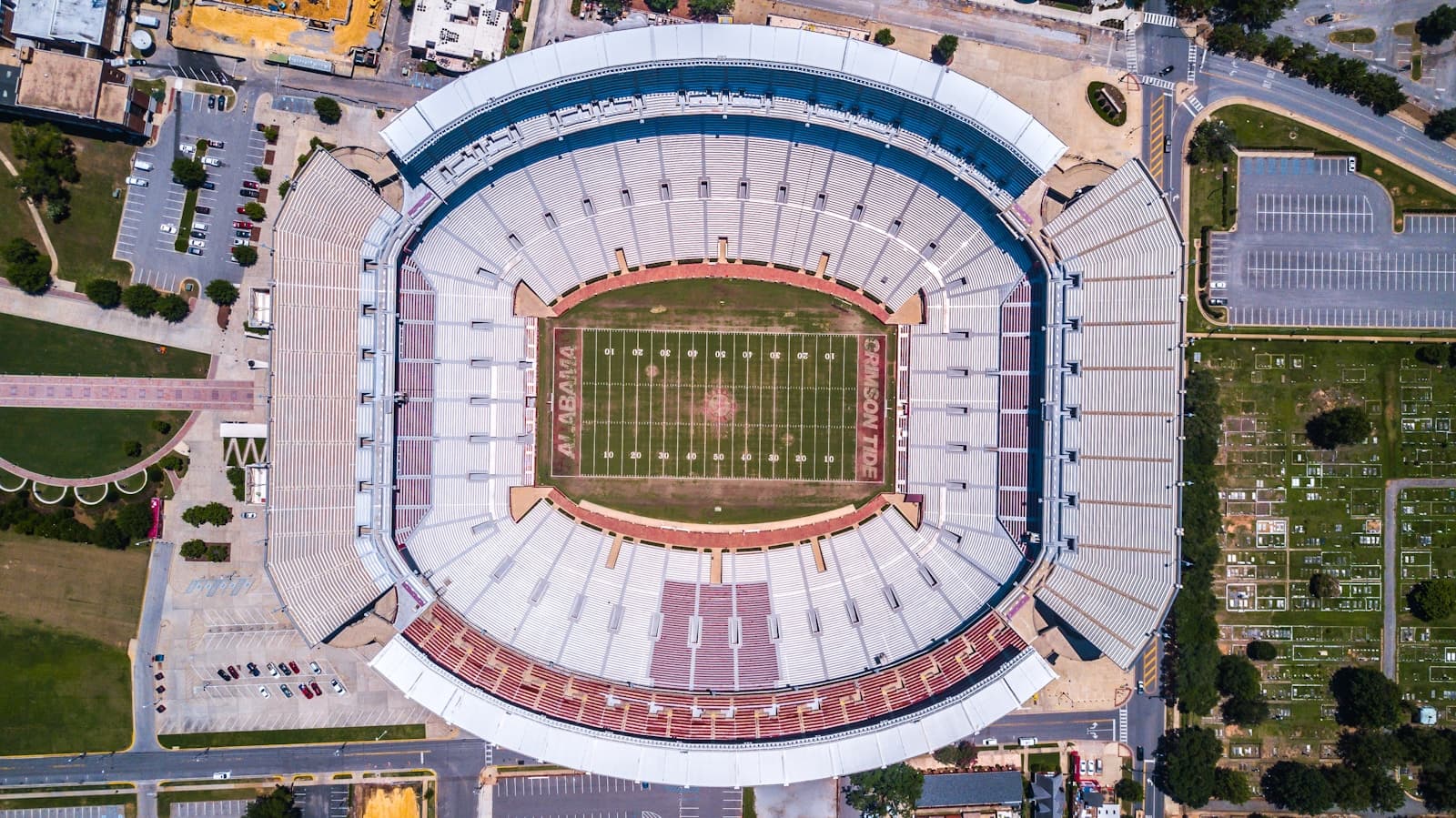
- The University of Alabama campus and surrounding student housing areas (including the Strip along University Boulevard) experience higher accident frequency, particularly during fall football season and academic year move-in periods. Senior drivers who live south of the river in Northport or in eastern subdivisions like Lake Forest can typically secure lower comprehensive and collision premiums—often $20–$35/month less—by demonstrating they avoid campus-adjacent routes during high-traffic periods. If you no longer commute and rarely drive near campus, this becomes a meaningful rate discussion with your agent.
- Most seniors in Tuscaloosa drive significantly less than the state average once they retire from work or reduce social driving. Local offices for Nationwide, State Farm, and Progressive actively market pay-per-mile and low-mileage discount programs that can reduce premiums by 20–30% for drivers logging under 7,500 annual miles. If you primarily drive to church, medical appointments, and weekly errands rather than daily commutes, request a mileage-verification discount or telematics device; the savings can offset age-related rate increases.
- Tuscaloosa sits in a region with elevated tornado and severe thunderstorm risk, particularly March through May. Comprehensive coverage premiums for senior drivers are 8–12% higher here than in southern Alabama counties due to hail damage claims and wind-related losses. If you have covered parking or a garage—common in newer subdivisions like Pheasant Run or The Downs—some carriers reduce comprehensive premiums by $10–$18/month, a discount worth verifying annually.
Compare rates from carriers that specialize in senior drivers
Mature driver discounts, low-mileage rates, and coverage reviews — see what you're actually eligible for.
Get Your Free QuoteCoverage Recommendations
Cost estimates are based on available industry data and vary by driver profile. These are not insurance quotes.
Liability Insurance
McFarland Boulevard's congestion and university-area traffic increase at-fault accident risk, making higher liability limits a practical choice for drivers with home equity or retirement savings.
$45–$75/mo for 100/300/100Estimated range only. Not a quote.
Comprehensive Coverage
Tuscaloosa's tornado and hail exposure makes comprehensive essential for drivers without garage parking, though deductibles of $1,000 can reduce premiums by $15–$25/month if you have emergency savings.
$25–$50/mo typicalEstimated range only. Not a quote.
Uninsured Motorist Coverage
University-area traffic and McFarland Boulevard commuters increase uninsured motorist exposure in Tuscaloosa, making this coverage particularly valuable for senior drivers with higher medical costs.
$12–$25/mo additionalEstimated range only. Not a quote.
Collision Coverage
Senior drivers who've paid off their vehicles and drive under 5,000 miles annually may reduce collision coverage or increase deductibles to $1,000–$1,500, saving $30–$50/month if the car's value is under $8,000.
$35–$70/mo depending on vehicleEstimated range only. Not a quote.