
Senior Car Insurance Rates for Drivers With an Older Vehicle
Compare Senior Car Insurance RatesWhen Full Coverage Stops Making Financial Sense
The insurance industry measures vehicle value by actual cash value (ACV) — what your car would sell for today, not what you paid or what it costs to replace. For a 10-year-old sedan in good condition, that's typically $3,000–$5,000. Comprehensive and collision coverage on that same vehicle costs most senior drivers $50–$75/month, or $600–$900 per year.
Here's the math carriers won't show you: if your vehicle is worth $4,000 and you're paying $700/year for comp and collision, you'll recover your annual premium only if you total the car within six months — and even then, you'll pay a deductible first. After your second year of coverage, you've paid more in premiums than a total loss would return.
The threshold most financial advisors use: drop comprehensive and collision when the combined annual cost exceeds 10% of the vehicle's market value. For a $4,000 car, that's $400/year. If you're paying more than $33/month for these coverages combined, you're likely overpaying for protection that won't deliver meaningful value.

What You Still Need (and What It Costs)
Dropping comp and collision doesn't mean dropping all coverage. Every state requires liability insurance, and senior drivers on fixed incomes face disproportionate financial risk from an at-fault accident. Liability-only coverage for drivers age 65–74 with clean records typically costs $45–$75/month, depending on state minimums and whether you carry higher limits.
Most insurance professionals recommend liability limits of at least 100/300/100 ($100,000 per person for injury, $300,000 per accident, $100,000 for property damage) — double the minimums in many states. The cost difference between state minimums and 100/300/100 is usually $15–$25/month, but the protection gap is enormous. A serious at-fault accident with minimum coverage could expose your retirement assets to lawsuits.
Uninsured motorist coverage becomes more important as your vehicle ages, not less. If an uninsured driver totals your older car, you'll receive nothing without this coverage — and roughly 13% of U.S. drivers are uninsured. Adding uninsured/underinsured motorist protection typically costs $8–$15/month and protects you from drivers who have no coverage or inadequate limits.

The Low-Mileage Advantage Senior Drivers Already Have
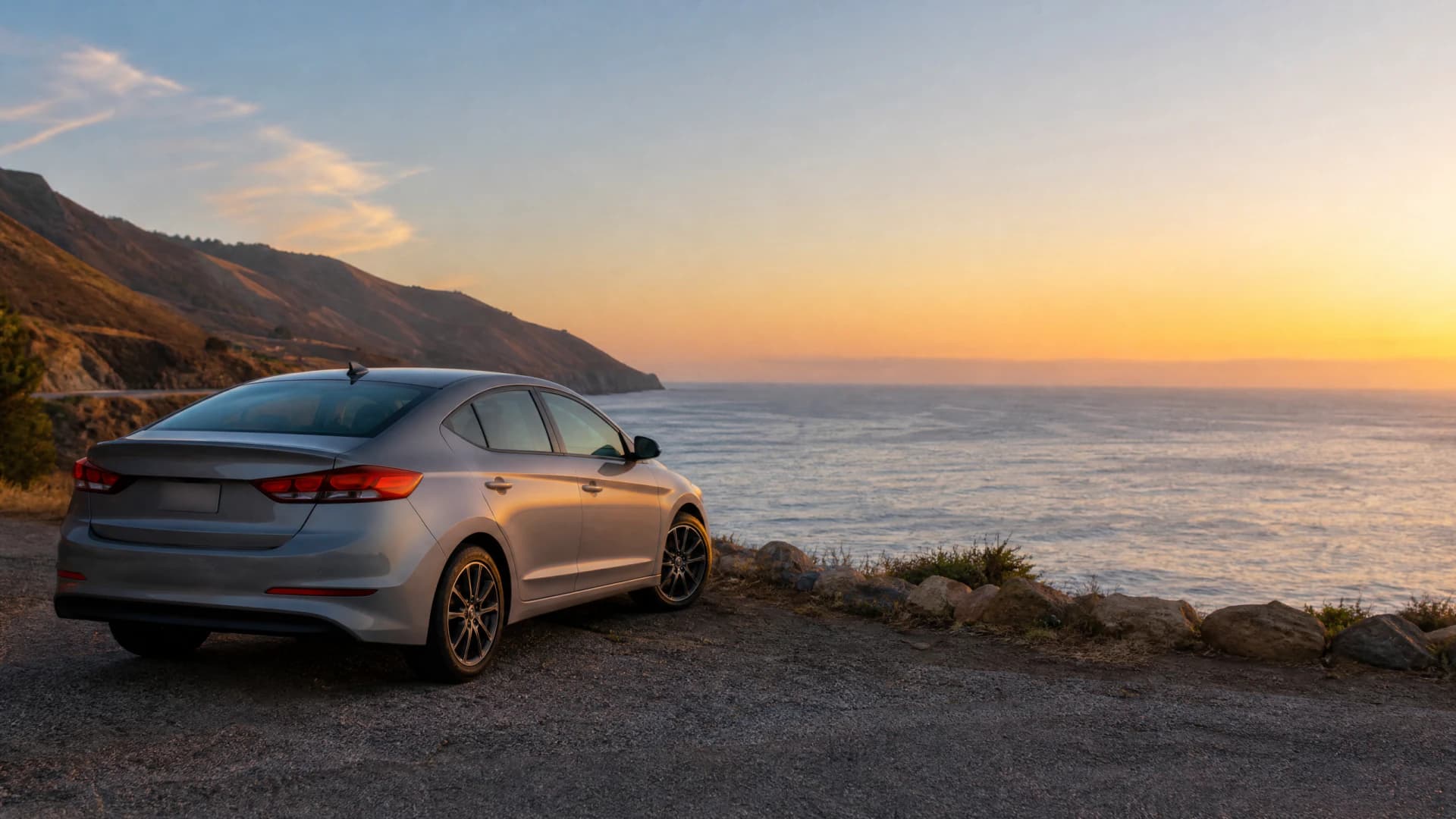
Senior drivers average 7,600 miles per year — nearly 40% less than drivers under 65, according to the Federal Highway Administration. Fewer miles means lower accident exposure, and most carriers offer specific discounts for drivers logging under 7,500 or 10,000 miles annually. These discounts range from 5% to 20%, but they require you to ask and verify your mileage.
If you've dropped comprehensive and collision and drive fewer than 8,000 miles per year, your liability-only premium could fall to $35–$55/month with proper discount stacking. That's $420–$660/year for the coverage you're legally required to carry — a 40–60% reduction from typical full-coverage rates on older vehicles.
Carriers calculate low-mileage discounts differently. Some use odometer photos submitted annually; others use telematics devices that track actual mileage. The verification method matters less than the savings: senior drivers who document low annual mileage save an average of $150–$300/year, and the discount applies regardless of vehicle age.

See Where Your Rate Stands Today
Compare Senior Car Insurance RatesMature Driver Discounts Stack With Coverage Adjustments
Most carriers offer mature driver discounts of 5–10% for completing an approved defensive driving course, and these discounts apply to your entire premium — not just liability coverage. AARP Smart Driver and AAA Senior Driving courses meet requirements in most states, cost $20–$30, and renew every three years.
The math becomes compelling when you combine a mature driver discount with a liability-only policy on an older vehicle. A senior driver paying $60/month for liability coverage saves $3–$6/month with a mature driver discount — $36–$72/year. Compared to the $20–$30 course cost, you're net positive after 4–8 months, and the discount renews automatically for three years.
Some states mandate mature driver discounts. Florida, for example, requires carriers to offer discounts to drivers who complete approved courses, and the discount often reaches 10%. Check whether your state mandates these programs — carriers won't always advertise requirements they're legally obligated to meet.
When Comprehensive Still Makes Sense
Comprehensive coverage protects against non-collision damage: theft, vandalism, hail, fire, animal strikes. If you live in an area with high auto theft rates or frequent severe weather, the risk profile changes. A 12-year-old Honda Accord or Toyota Camry remains attractive to thieves regardless of age, and comprehensive coverage with a $500 or $1,000 deductible may cost only $15–$25/month.
The decision threshold: compare your annual comprehensive premium to your vehicle's replacement cost and your ability to absorb a total loss. If your car is worth $6,000, you drive in a high-theft ZIP code, and comprehensive costs $20/month ($240/year), you'd need to keep the vehicle for 25 years at current rates before premiums exceed value — unlikely for most drivers.
Comprehensive coverage also covers glass damage in most policies. If you've filed multiple windshield claims in the past three years, check whether your comprehensive premium reflects that claims history. Senior drivers in states with high glass claim frequency — Arizona, Texas, Florida — sometimes pay elevated comprehensive rates that exceed the coverage value on older vehicles.

How to Compare Liability-Only Rates Across Carriers
Rate variation for liability-only coverage among senior drivers can exceed 40% between the most and least expensive carriers in the same ZIP code. A driver paying $75/month with one carrier might pay $50/month for identical coverage with another — that's $300/year in difference for the same legal protection.
Request quotes with identical liability limits and deductibles. Specify your annual mileage, ask about mature driver discounts, and confirm whether the quote includes uninsured motorist coverage. Carriers sometimes quote state minimums by default, which leaves significant coverage gaps. You want apples-to-apples comparisons at the coverage levels you've decided you need.
Timing matters: senior drivers who shop rates every 18–24 months save an average of 12–18% compared to drivers who stay with the same carrier for 5+ years. Loyalty doesn't reduce premiums in the insurance market — competitive shopping does. If you haven't compared rates in three years and you're driving an older vehicle, you're likely overpaying by $200–$400 annually.
Frequently Asked Questions
At what vehicle age should I drop comprehensive and collision coverage?
Drop comprehensive and collision when the combined annual premium exceeds 10% of your vehicle's current market value. For most vehicles, this occurs between 8 and 12 years of age, when market value falls to $3,000–$5,000 but comp/collision premiums remain at $600–$900/year. Check your vehicle's actual cash value using Kelley Blue Book or NADA before making the decision.
Will my rates increase if I only carry liability coverage?
No — liability-only coverage costs significantly less than full coverage because you're eliminating comprehensive and collision premiums. Senior drivers typically save $600–$900/year by dropping comp/collision on vehicles worth less than $5,000. Your liability rates are based on your driving record, credit score, and claims history, not whether you carry comprehensive coverage.
Can I add comprehensive coverage back if I need it later?
Yes, you can add comprehensive and collision coverage back to your policy at any time by contacting your carrier. However, coverage takes effect on the date you add it — it won't apply retroactively to damage that occurred while you carried liability-only coverage. Most carriers allow you to adjust coverage immediately over the phone or online.
Do senior driver discounts apply to liability-only policies?
Yes, mature driver discounts of 5–10% apply to your entire premium, including liability-only policies. Completing an approved defensive driving course (AARP Smart Driver or AAA Senior Driving) qualifies you for the discount, which renews for three years. The savings apply to liability, uninsured motorist, and medical payments coverage even after you've dropped comp/collision.
Related Articles
Senior Car Insurance Rate Trends Through 2027
4/6/2026

AK Accident Forgiveness: Senior Driver Rates
6/11/2026

Senior Driver Rates on Social Security Income
4/6/2026

Louisiana Senior Car Insurance: High-Rate State Tactics
4/6/2026

Senior Driver Insurance Rates: Top Carriers Compared
4/6/2026

Bundling Home & Auto: Does It Save Seniors Money?
4/6/2026