
Accident Forgiveness Carriers for Seniors — Hawaii
Compare Senior Car Insurance RatesThe Senior Accident Forgiveness Question Hawaii Carriers Answer Differently
You just opened your renewal notice or called your carrier to confirm coverage, and when you asked whether accident forgiveness applies to your policy, the agent gave you an answer that depends on how long you've been claim-free with that specific carrier. Hawaii's insurance market operates with fewer national carriers than mainland states, and each structures accident forgiveness eligibility around tenure requirements that can work differently for senior drivers who switch carriers after retirement or consolidate policies.
The confusion stems from a structural gap: accident forgiveness is an optional program carriers offer, not a state-mandated benefit, and Hawaii's island geography means comparison shopping requires understanding how GEICO, Progressive, State Farm, and a handful of others handle eligibility for drivers over 65. Some carriers count only your tenure with them; others consider your total claim-free history. The question is not whether you qualify by age. It is whether your claim-free record meets the carrier's specific threshold and whether switching carriers to access accident forgiveness resets that clock.
“Switching carriers to save premium resets your accident forgiveness eligibility clock to zero, delaying protection by the new carrier's full tenure threshold.”

See Where Your Rate Stands Today
Compare Senior Car Insurance Rates12
Carriers Writing Hawaii Policies
Hawaii's carrier pool is smaller than most mainland states, making structured comparison critical. GEICO, Progressive, and State Farm all write liability insurance and offer accident forgiveness programs, but eligibility structures differ.
State of Hawaii Department of Commerce and Consumer Affairs, Insurance Division
What Accident Forgiveness Actually Protects at Renewal
Accident forgiveness prevents a single at-fault accident from triggering a premium surcharge at your next renewal. Without it, an at-fault claim typically increases your premium for three to five years depending on carrier filing. With forgiveness applied, that first accident does not trigger the surcharge increase, though it remains on your driving record and visible to other carriers if you shop.
The program does not erase the accident from your record. It does not prevent the claim from affecting future coverage decisions if you switch carriers. It isolates the rate impact to that one carrier's renewal calculation. For senior drivers managing fixed retirement income, the difference between a forgiven accident and a surcharged renewal can determine whether staying with your current carrier remains affordable or forces a mid-year switch during a vulnerable claims window.
Hawaii carriers structure forgiveness as either an automatic feature after meeting tenure requirements or as an optional add-on you select at policy inception. GEICO and Progressive offer tenure-based versions; State Farm includes accident forgiveness in certain policy tiers. The mechanism differs, but the protection functions the same: your first at-fault accident does not increase your premium at renewal with that carrier.
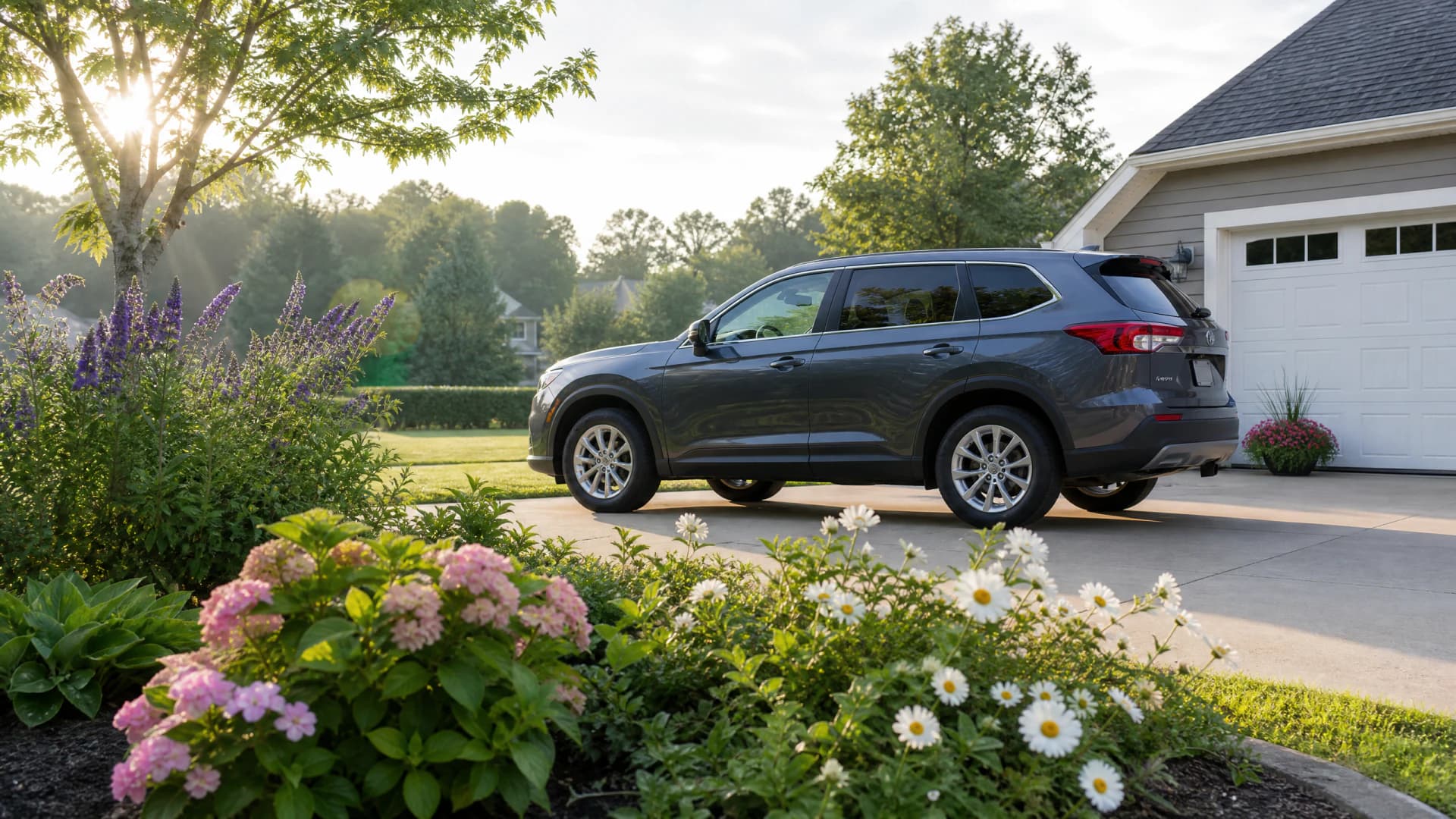
Switching carriers to access accident forgiveness often resets the claim-free tenure requirement to zero, delaying eligibility by the carrier's full threshold period.






State Minimum Liability and Accident Forgiveness Interaction
Hawaii requires $20,000 per person and $40,000 per accident in bodily injury liability, plus $10,000 in property damage liability. Personal injury protection coverage is also mandatory under Hawaii's no-fault system. These minimums apply regardless of whether you carry accident forgiveness, but the interaction matters when deciding whether to increase liability limits.
Accident forgiveness protects your premium from surcharge after an at-fault claim, but it does not increase the coverage amount available to pay the claim itself. A senior driver carrying only state minimums with accident forgiveness applied will still exhaust liability coverage quickly in a serious accident. Retirement-era assets such as home equity, savings accounts, and investment portfolios remain exposed in a lawsuit when liability limits fall short. Accident forgiveness keeps your rate stable after the first claim; higher liability limits keep your assets protected during the claim.
The coverage-fit decision for senior drivers in Hawaii is whether to prioritize accident forgiveness for rate protection or higher liability limits for asset protection. Both serve different functions. Many senior drivers benefit from both, but if budget forces a choice, liability insurance limits above the state minimum typically protect more financial risk than accident forgiveness alone. The first protects your wealth; the second protects your premium.
$20,000
Hawaii Per-Person Liability Floor
Hawaii's $20,000 per person bodily injury minimum is low relative to the cost of even moderate injury claims. Senior drivers with home equity or retirement savings face meaningful exposure above this threshold in an at-fault accident.
Hawaii Revised Statutes Chapter 431, Article 10C
The Switching Decision and Tenure Reset Risk
When you switch carriers in Hawaii to access a lower premium or different coverage structure, you reset your accident forgiveness eligibility clock to zero with the new carrier. This applies even if you maintained decades claim-free with your prior carrier. The new carrier's accident forgiveness program counts only your tenure with them, not your total driving history.
The decision becomes whether the premium savings from switching justifies delaying accident forgiveness eligibility. A senior driver paying higher rates with an existing carrier but already qualified for accident forgiveness may lose more in future surcharge protection than they gain in immediate premium reduction by switching. Conversely, a driver whose current carrier does not offer accident forgiveness at all gains nothing by staying, and switching to a carrier with a tenure-based program starts the eligibility clock moving.
Compare Carrier Programs and Your Current Position
The next step is confirming your current accident forgiveness status with your existing carrier and comparing it against what switching would reset. Call your carrier and ask three specific questions: does your current policy include accident forgiveness, how many claim-free years with them do you have toward eligibility, and what happens to that tenure if you switch. Then request quotes from GEICO, Progressive, and State Farm in Hawaii, asking each how long their accident forgiveness tenure requirement is and whether your policy tier includes it automatically or as an add-on.
Hawaii's county-administered DMV structure and smaller carrier pool make phone-based comparison more reliable than online tools for senior-specific questions. Agents can confirm whether your age affects eligibility differently or whether the carrier filing includes exceptions for drivers over 65. Document the answers. The carrier that offers the shortest path to accident forgiveness eligibility may not be the carrier with the lowest quoted premium, but for a senior driver managing fixed income and retirement assets, forgiveness access can outweigh a modest rate difference if a claim occurs before tenure requirements reset.
How Hawaii Carriers Structure Senior Eligibility
GEICO requires five consecutive years claim-free with GEICO to qualify for accident forgiveness in Hawaii. If you switch to GEICO after retirement, your claim-free record with your prior carrier does not transfer; the five-year clock starts the day your GEICO policy begins. Progressive structures its accident forgiveness program similarly, though the tenure requirement varies by state and policy tier. State Farm includes accident forgiveness automatically in certain coverage packages, but eligibility still depends on maintaining a claim-free record for the carrier's specified period.
The senior-specific friction appears when you consolidate policies or switch carriers to access better rates. A driver who maintained 20 years claim-free with Allstate and then switches to GEICO at age 68 starts the GEICO accident forgiveness tenure clock at zero. That driver will not qualify for GEICO's accident forgiveness until age 73, assuming no claims during that window. The structural reality is that accident forgiveness rewards carrier loyalty, not driving history, and switching carriers to save premium can delay forgiveness access past the window when a senior driver statistically needs it most.
Get Your Free Quote
Compare Senior Car Insurance RatesFrequently Asked Questions
Does accident forgiveness apply automatically to senior drivers in Hawaii?
No. Accident forgiveness is not automatically applied based on age. Carriers require a claim-free tenure period with that specific carrier, typically three to five years. Senior drivers must meet the same tenure threshold as younger policyholders.
Can I transfer my claim-free record to a new carrier for accident forgiveness eligibility?
No. When you switch carriers in Hawaii, your claim-free tenure with the new carrier starts at zero. Your prior driving history does not count toward the new carrier's accident forgiveness eligibility threshold, even if you were claim-free for decades with your previous insurer.
Which Hawaii carriers offer accident forgiveness to drivers over 65?
GEICO, Progressive, and State Farm all offer accident forgiveness programs in Hawaii and write policies for senior drivers. Eligibility depends on meeting each carrier's claim-free tenure requirement, not on age. Confirm the specific threshold and policy tier requirements when requesting quotes.
Does accident forgiveness affect my liability coverage limits?
No. Accident forgiveness prevents a premium surcharge after your first at-fault claim, but it does not increase the dollar amount of coverage available to pay the claim. You still need adequate liability limits to protect retirement assets in a lawsuit.
How long does accident forgiveness last after a claim in Hawaii?
Accident forgiveness typically applies to one at-fault accident per policy term. After the forgiven accident, most carriers reset eligibility, requiring another claim-free tenure period before forgiveness applies again. Check your carrier's specific program terms.
Should I prioritize accident forgiveness or higher liability limits?
Higher liability limits protect your retirement assets in a lawsuit. Accident forgiveness protects your premium from surcharge after a claim. Senior drivers with home equity or savings typically benefit more from increasing liability coverage above Hawaii's $20,000 per person minimum than from accident forgiveness alone.